Canada attracts visitors from around the world because of its welcoming environment, strong education system, growing job market, and high standard of living. Many individuals visit the country for tourism, studies, work opportunities, or family visits. Before entering Canada for a short stay, most foreign nationals must receive proper permission from the Canadian government. This authorization ensures that temporary resident visitors comply with immigration laws and respect their permitted duration of stay.
Understanding visa rules can sometimes feel confusing, especially for first-time applicants. Different categories of visas serve different purposes, and each type comes with specific conditions. Learning about these options helps applicants choose the right visa category and avoid delays or refusals. This guide explains the main visa types, eligibility requirements, and the overall application process in a clear and straightforward manner.
What Is a Temporary Resident Visa?
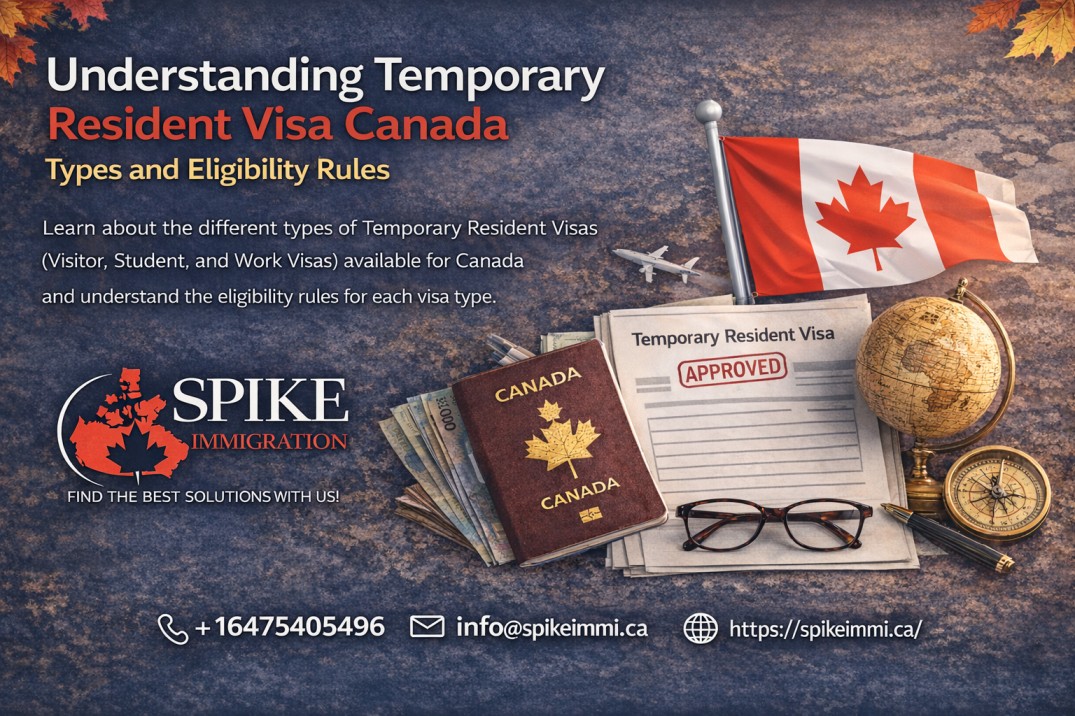
A temporary resident visa Canada is an official document placed in a passport that allows foreign nationals to travel to Canada for a limited period. It confirms that the applicant meets the requirements set by Canadian immigration authorities and intends to stay only for a temporary purpose. Citizens of countries without visa-exempt status commonly require a visa.
This visa allows entry for tourism, business, family, or short-term study purposes. However, it does not guarantee entry into the country. Border officers still review documents and confirm whether travellers meet entry conditions. The visa confirms that authorities have pre-approved the applicant for travel and verified basic entry requirements.
Types of Temporary Resident Visas in Canada
There are different categories under the temporary resident visa Canada system, depending on the purpose of travel. Authorities issue visitor visas to individuals who want to explore Canada, visit relatives, or attend short business meetings. Visitor visas may allow single entry or multiple entries, depending on the applicant’s travel history and personal circumstances.
Another category supports students who plan to take short courses or programs that last less than six months. While longer academic programs require study permits, short courses often fall under temporary visitor entry rules. Work-related temporary visas are also available for individuals who need to perform specific tasks or attend short assignments.
These visa types help support Canada’s workforce while allowing individuals to gain international experience. Each visa category includes its own documentation requirements and eligibility standards. Applicants must carefully select the visa that matches their travel purpose to avoid delays or refusals during processing.
Eligibility Rules for Temporary Resident Visa
Applicants must meet certain eligibility rules before receiving approval for a temporary visa. Immigration authorities focus strongly on confirming that visitors will return to their home country after their authorized stay ends. Applicants usually need to provide proof of employment, financial stability, family connections, or other responsibilities in their home country. These details help officers understand the applicant’s ties outside Canada.
Applicants must also demonstrate that they have enough funds to cover travel, accommodation, and daily living expenses during their visit. Medical fitness and a clean criminal background are important factors in most cases. Some applicants may need to complete a medical examination or provide police clearance certificates, depending on their travel history and length of stay.
Applicants who previously held Canadian visas or followed immigration rules often have stronger applications. Consistency in documents and honest information play a major role in improving approval chances.
Required Documents for Visa Applications
Preparing accurate documents is one of the most important parts of the visa process. Applicants must submit a valid passport with enough remaining validity to cover the entire travel period. Immigration officers also require detailed application forms that explain the purpose of travel, planned duration of stay, and personal background information.
Supporting documents often include proof of financial support, such as bank statements, income records, or sponsorship letters. Visa officers may request travel plans, invitation letters, and accommodation details, depending on the visa category. Officers often request employment letters, business ownership proof, or educational records to confirm the applicant’s background and home-country ties.
Incomplete or incorrect documentation can slow down processing or result in refusal. Careful preparation improves the overall strength of the application and helps immigration officers review it smoothly.
Application Process and Processing Timeline
The application process usually begins online through the official immigration website. Applicants create a profile, complete application forms, upload documents, and pay the required processing fees. After submission, authorities may ask applicants to provide biometric information, including fingerprints and photographs.
Processing times vary depending on the applicant’s country of residence, application volume, and document accuracy. Some applications receive decisions within a few weeks, while others may take longer. Applicants should always apply well before their planned travel date to avoid unnecessary stress or last-minute delays.
After approval, applicants may need a TRV stamping in Canada or through an authorized visa office if they are applying from outside the country. This step confirms final authorization for travel and allows immigration authorities to place the visa counterfoil inside the passport.
Understanding Multiple Entry and Single Entry Visas
Canadian temporary visas can be issued as single-entry or multiple-entry documents. A single-entry visa allows travellers to enter Canada only once during the visa validity period. If they leave the country, they may need to apply for a new visa before returning.
Multiple-entry visas allow travellers to enter and leave Canada multiple times during the validity period. These visas are often granted for several years, depending on passport validity and immigration officer assessment. Travellers who frequently visit Canada for family visits or business travel often benefit from multiple-entry authorization.
Applicants sometimes misunderstand the difference between visa validity and permitted stay duration. Even if a visa is valid for several years, visitors usually receive permission to stay for only six months at a time unless otherwise specified by border officers.
Common Reasons for Visa Refusals
Visa refusals often happen when immigration officers feel that applicants have not clearly explained their travel purpose or have failed to prove strong ties to their home country. Financial documents that do not clearly show sufficient funds can also raise concerns. Inconsistent travel history or incomplete application forms are additional factors that may affect approval decisions.
Applicants who previously overstayed visas in other countries may face additional scrutiny. It is important to present honest information and ensure all documents are accurate and complete. Professional guidance and careful preparation can help applicants avoid mistakes and improve approval chances.
Applicants already living in Canada under another temporary permit may also need a TRV stamping in Canada when travelling abroad and returning. Proper planning helps maintain legal status and ensures smooth travel re-entry.
Tips to Maintain Legal Status During Stay
Visitors must respect all visa conditions while staying in Canada. This includes the following permitted stay durations and avoiding unauthorized work or study activities. If visitors wish to extend their stay, they must apply for an extension before their current status expires.
Maintaining proper status helps travellers avoid immigration issues and protects their chances of receiving future Canadian visas. Keeping copies of documents, extension approvals, and travel records helps maintain a clear immigration history for future applications.
Conclusion
Temporary visas play an important role in allowing people to explore opportunities, visit family, and experience life in Canada. Understanding visa types, eligibility requirements, and application procedures helps applicants avoid mistakes and complete their process smoothly.
Proper documentation, honest information, and early preparation can significantly improve approval chances and help visitors enjoy a successful and lawful stay in Canada.
Frequently Asked Questions
It allows foreign nationals to travel to Canada for short-term purposes such as tourism, business visits, or family visits.
Most visitors are allowed to stay for up to six months unless immigration officers specify a different duration at entry.
Yes, visitors can apply for an extension before their current authorized stay expires.
Most applicants must provide fingerprints and photographs as part of the application process.
No, border officers make the final decision after reviewing documents at the port of entry.


